Diesel diagnostics and no-starts
Code scans, cranking diagnostics, fuel and air checks, with the verdict explained in plain words before any part goes on.
Erie freight lives with two facts: the interstates never close, and the lake never quits. Erie Infinity Mobile Truck Repair exists for the space between those facts, the tractor that dies on I-90 in a whiteout, the trailer that fails its lights at a Peach Street dock, the fleet yard that wakes up to three no-starts after a lake-effect night. We come to the truck, in whatever the sky is doing.
Diesel diagnostics, air and brake work, electrical faults, tires, and the fleet maintenance that prevents most of the above. One phone number, answered by people who fix trucks.
Erie fleets are not Chicago fleets. Around here twenty units is a big operation and plenty of businesses run on two or three. We scale to that: standing yard checks for the fleets that want them, honest one-off repairs for everyone else, and per-unit notes either way so the second visit starts ahead of the first.
What stays constant is the verdict quality. Fixed and rolling, fixed with a watch-item flagged, or bay-bound with the diagnostic done. Nobody pays us to shrug.
Two minutes of looking saves an hour of waiting. Walk around the truck, read the dash, and bring the phone with you when you call.
Code scans, cranking diagnostics, fuel and air checks, with the verdict explained in plain words before any part goes on.
Leaks, frozen lines, chambers, adjusters, ABS faults. Brake work gets zero shortcuts, whatever the weather is doing.
Lights, plugs, air, doors, landing gear. Dock-drop trailers fixed where they were dropped.
Load tests first, then the repair the numbers call for. Half of Erie's dead batteries are really dead cables.
Changeouts and repairs on location, torqued to spec, duals checked as pairs.
Batteries, dryers, coolant, and fuel treatment sorted in October, when it is cheap, instead of January, when it is not.
Our map is simple: the I-90 corridor from the Ohio line to the New York line, I-79 heading south past the airport, and the industrial pockets in between. The plastics plants, the bayfront docks, the distribution lots off Route 19 and upper Peach. Presque Isle brings tourists, but our phone rings from the truck lanes behind everything they see.
Snow country changes roadside work. A shoulder that is fine in July is a plow lane in January, so winter calls start with a safety conversation, not a parts conversation. Sometimes the right first move is getting the truck one exit further to a plowed lot. We will tell you when that is the case and help you make it happen.
Four questions: what is it doing, where is it sitting, is it loaded, and can it move safely. Then a real answer. If the symptoms say roadside fix, we roll with the parts the story points to. If they say shop, you hear it now, for free, with the reasoning attached.
In winter add two more: how long has it been sitting, and is it plugged in. Cold soak changes the diagnosis, and around this lake, cold soak is a way of life from Thanksgiving to Easter.
If the roads are passable for our service truck and the work spot is safe, yes. If conditions make the repair dangerous, we say so and plan the earliest window that works. Nobody benefits from two stuck trucks.
Stop cranking, keep it warm if you can, and call. Gelled fuel is fixable at the truck most of the time, but repeated cranking on a starving engine adds a starter to your bill.
We work the corridor both directions from Erie. Exact reach depends on the day and the weather, so call with your mile marker and you will get a straight yes or no.
That is a normal Erie morning for us. Give us the unit list and yard address, and we clear them in one planned visit, worst unit first.
Brakes, tires, cooling systems, and the corrosion damage winter left behind. The lake gives us a busy season on both ends of the calendar.
If it works for a living, yes. Erie's delivery fleets, plow contractors, and utility rigs are regulars. The tools do not care about the wheel count.
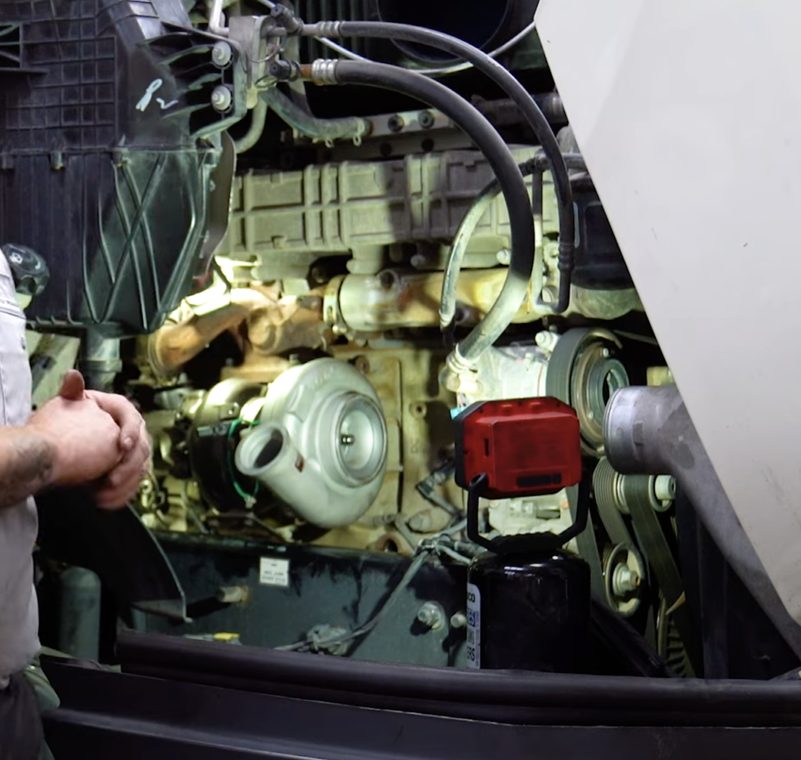
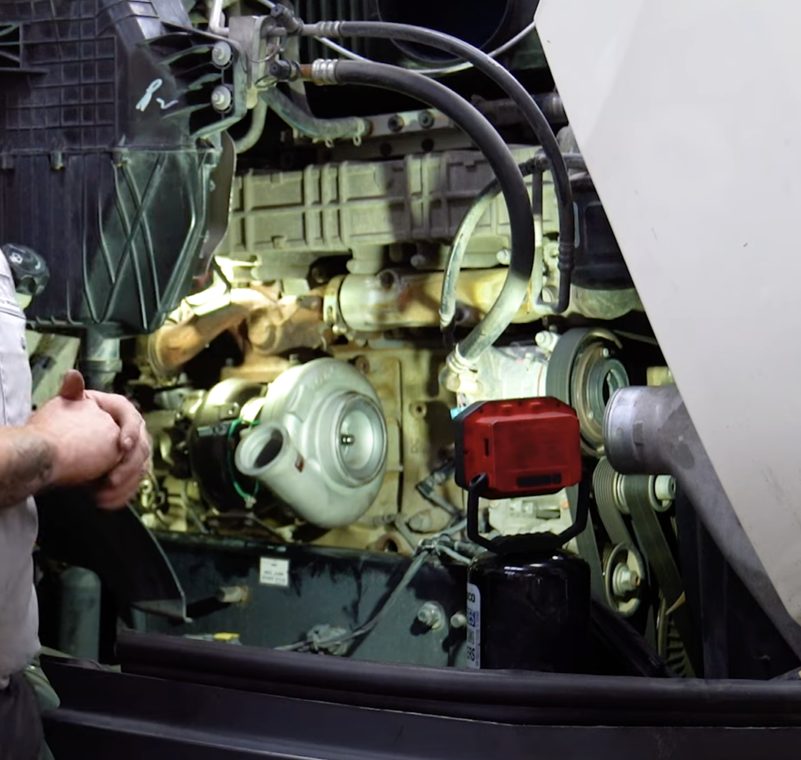
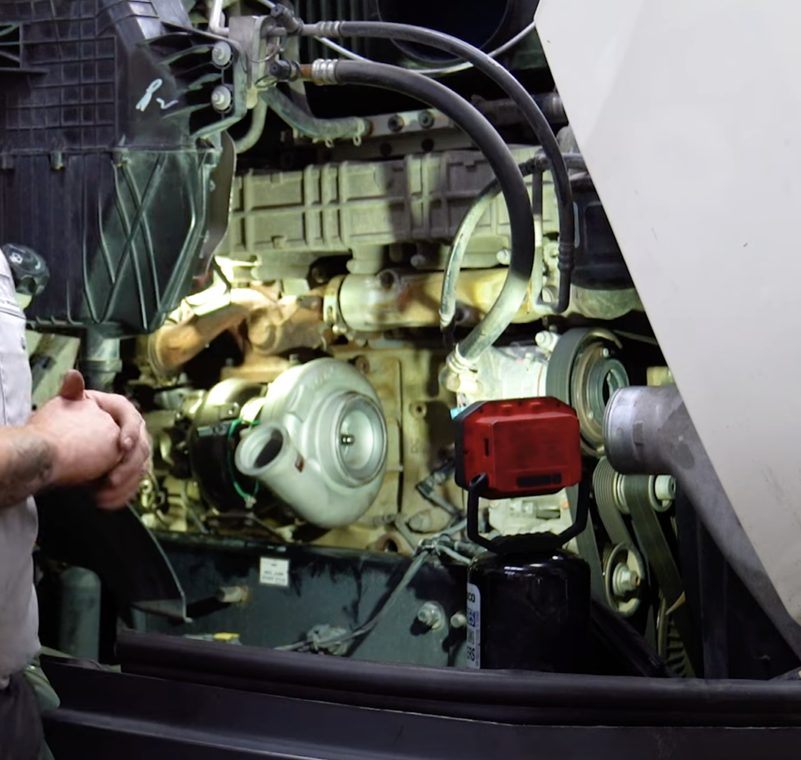
Erie winters write their own service manual. Air dryers freeze on the first single-digit night. Fuel gels in trucks that came up from the south untreated. Batteries that limped through fall die in the first real storm, always in groups, always at 5 a.m. We stock the truck accordingly and we triage storm mornings by fleet, worst-first, so a yard gets its routes back in one visit instead of four.
Summer has its own patterns: brake jobs from the hills south of town, tire heat damage on long I-90 pulls, and the electrical gremlins that surface when road salt finally finishes eating a connector it started on in February. Every season pays differently and we carry parts for all of them.
A tow is sometimes the right answer and we will be the first to say it. But most Erie breakdowns are not tow problems, they are information problems: nobody at the truck knows yet whether the fault is a fuse, a sensor, or something serious, so the tow gets ordered as a guess. A mobile diagnostic turns the guess into a decision. If the truck can be fixed where it sits, you saved the hook fee and the shop queue. If it cannot, you tow it once, to the right place, with the diagnosis already written down. Either way the money moved toward the repair instead of the transportation.
The classic Erie emergency is not one truck, it is a yard full of them the morning after a lake-effect night. Three no-starts, a frozen dryer, and a driver already an hour behind. When that call comes in we do not send a technician to wander: we ask for the unit list, rank it by which routes leave first, and clear the yard in one pass. The fleets that let us do a October winterization visit almost never make this call, which we point out every October, cheerfully.
Single-truck operators get the same weather priority. A solo owner losing a day to a gelled tank hurts more than a fleet losing one truck of twenty, and our dispatch order respects that math when the storm mornings stack up.
Spring and fall are when smart Erie fleets spend small money to skip big invoices. Post-winter inspections catch what the salt started. Pre-winter visits catch what the summer wore out. We keep both seasons on a calendar for standing customers, and the calendar is the cheapest part we install all year.
Erie's industrial bayfront and the plastics corridor run equipment that never shows up on a highway count: yard tractors, straight trucks, box vans on tight delivery loops. That equipment breaks like anything else, and dragging it to a shop breaks the whole loop. Most of it can be diagnosed and repaired right in the plant lot, between shifts, which is exactly how we schedule it when the fleet asks.
Call with the location, the symptom, and the load status. You will get an honest read on the fix and a real arrival window that accounts for what the lake is currently throwing at the roads.